
Introduction
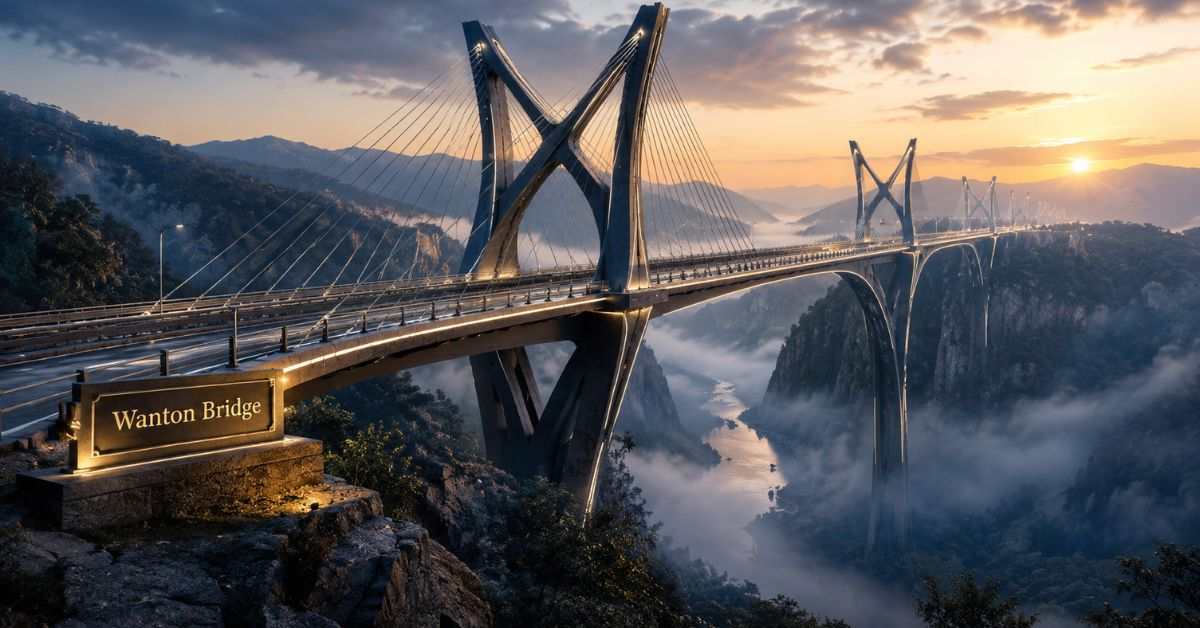
The term “wanton bridge” may sound poetic, architectural, or even metaphorical and depending on the context, it can be all three. Bridges have always symbolized connection, transition, and unity. When paired with the word wanton, which historically refers to something unrestrained, excessive, or carefree, the phrase “wanton bridge” carries deeper symbolic and structural interpretations.
In today’s world, bridges are not just physical structures connecting two points, they are metaphors for innovation, transformation, and resilience. Whether you’re researching wanton bridge from a literary perspective, architectural standpoint, or cultural lens, this guide offers a comprehensive breakdown of its meaning, design principles, and broader implications.
Let’s explore the fascinating layers behind the wanton bridge.
The Meaning and Etymology of Wanton Bridge
The phrase wanton bridge blends two powerful concepts: freedom and connection. At its core, the term can carry both literal and metaphorical meanings depending on usage.
Key Linguistic Insights
- Wanton: Historically derived from Middle English, meaning playful, unrestrained, excessive, or reckless.
- Bridge: A structure built to span obstacles, symbolizing connection and transition.
Combined meaning may imply
- A bridge built without restraint
- A metaphorical connection formed recklessly
- An architectural structure that defies traditional limitations
Interpretative Angles
- In literature, it may symbolize dangerous or impulsive transitions.
- In architecture, it can refer to bold, unconventional bridge designs.
- In cultural commentary, it may describe unsustainable or poorly planned infrastructure.
Understanding the etymology helps decode its contextual meaning. Words evolve, and so does their significance. Today, “wanton bridge” can be interpreted structurally, symbolically, or critically.
Historical Context of Bridges with Symbolic Meaning
Throughout history, bridges have symbolized more than transportation—they represent progress, diplomacy, and transformation.
Ancient civilizations treated bridge-building as both engineering and art.
Notable Historical Examples
- Roman Arch Bridges – Symbolized empire expansion and power.
- London Bridge (Medieval Era) – Represented commerce and trade growth.
- Ponte Vecchio (Italy) – Merged utility with culture and marketplace life.
Symbolic Roles in History
- Connecting rival territories
- Representing political unity
- Demonstrating technological advancement
- Reflecting societal ambition
If interpreted historically, a “wanton bridge” might describe bridges constructed without careful planning projects driven by ambition rather than sustainability.
History teaches us that bridges built without foresight often collapse physically or economically. That’s where the concept of “wanton” becomes significant.
Architectural Interpretation of Wanton Bridge
In modern architecture, the term may describe bold, unconventional bridge designs that challenge norms.
Architects today push creative boundaries, sometimes risking structural or financial excess.
Features of “Wanton” Architectural Design
- Experimental materials
- Extreme spans without support
- Artistic over functional design
- High construction costs
- Complex structural forms
Examples of Bold Bridge Designs
| Bridge Name | Country | Design Type | Notable Feature |
| Millau Viaduct | France | Cable-stayed | Tallest bridge in the world |
| Helix Bridge | Singapore | Steel pedestrian | DNA-inspired design |
| Gateshead Millennium | UK | Tilting bridge | Rotates like an eyelid |
These structures push boundaries. Some critics may call certain extravagant projects “wanton” due to excessive spending or impracticality.
Yet innovation requires risk. The line between visionary and wanton can be thin.
Structural Engineering: When Bold Becomes Risky
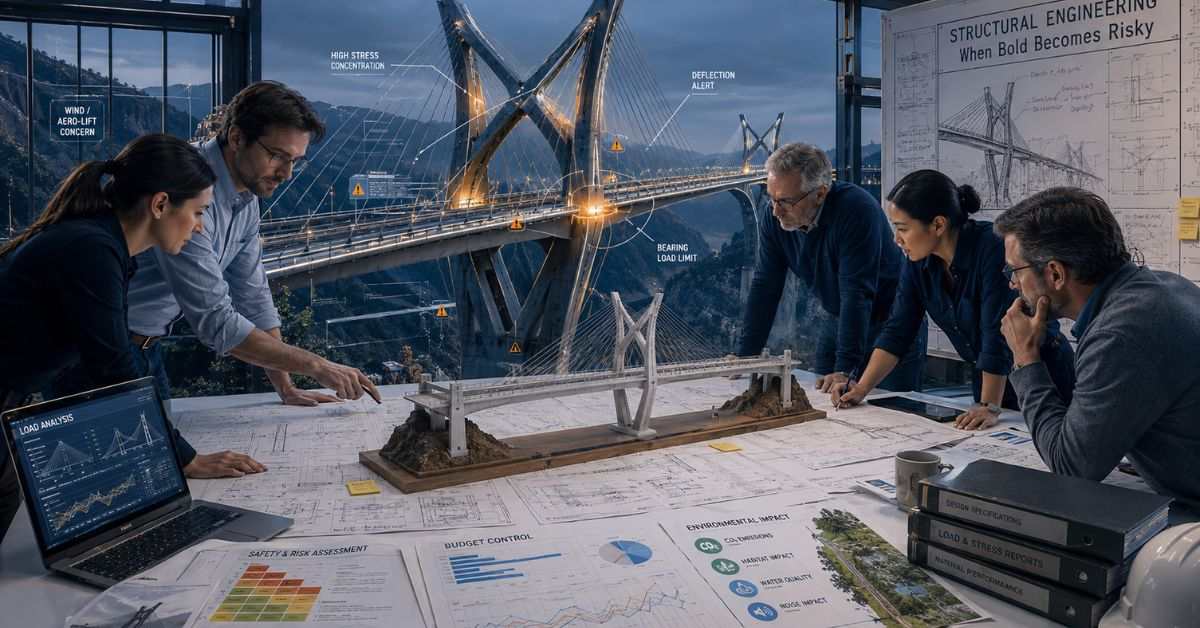
From an engineering standpoint, balance is everything. A wanton bridge could imply over-engineering or under-engineering.
Risks of Reckless Bridge Design
- Structural instability
- Budget overruns
- Maintenance complications
- Environmental impact
- Reduced lifespan
Engineering Principles That Prevent “Wanton” Design
- Load distribution analysis
- Environmental impact studies
- Sustainable material selection
- Long-term cost evaluation
- Safety compliance standards
According to the American Society of Civil Engineers (ASCE), infrastructure failures often result from inadequate planning rather than material weakness. Bridges must balance:
- Innovation
- Functionality
- Cost
- Sustainability
Without this balance, a bridge project may metaphorically become “wanton.”
Wanton Bridge as a Literary Symbol
In literature, bridges frequently symbolize life transitions. A wanton bridge could represent:
- Risky emotional decisions
- Irresponsible commitments
- Reckless journeys
- Moral decline
- Dangerous temptations
Writers often use structural metaphors to convey psychological states.
Symbolic Interpretations
- Crossing a rotten bridge = entering chaos
- Burning a wanton bridge = destructive behavior
- Building a wanton bridge = reckless ambition
This symbolic use appears in poetry and modern fiction where physical structures mirror internal conflict.
Economic Implications of Large Bridge Projects
Bridge construction impacts local and national economies.
However, financially unsustainable projects may be criticized as “wanton spending.”
Economic Benefits of Bridges
- Boosted trade
- Reduced transportation costs
- Increased tourism
- Job creation
- Regional development
Case Study Comparison
| Factor | Sustainable Bridge Project | “Wanton” Project Example |
| Budget Planning | Long-term ROI focused | Over-budget spending |
| Environmental Study | Completed | Ignored |
| Community Need | High demand | Political prestige |
| Maintenance Plan | Funded | Undefined |
Infrastructure experts emphasize feasibility studies before project approval.
Environmental Considerations in Modern Bridge Design
Environmental responsibility is critical in modern construction.
A “wanton bridge” may imply ecological disregard.
Key Environmental Factors
- Wildlife habitat disruption
- Water flow changes
- Carbon footprint
- Material sourcing
- Long-term sustainability
Eco-Friendly Innovations
- Recycled steel
- Low-carbon concrete
- Modular bridge components
- Solar-powered lighting
Organizations like the World Bank Infrastructure Program recommend sustainability audits before funding large-scale infrastructure. Ignoring environmental factors can turn a promising project into a long-term liability.
Cultural Significance of Bridges Across Societies
Bridges represent more than infrastructure, they symbolize unity.
Cultural Interpretations
- China: Bridges represent harmony and balance.
- Japan: Spiritual passageways.
- Europe: Trade and political alliances.
- Indigenous cultures: Sacred crossings.
A wanton bridge in cultural terms might symbolize imbalance or broken unity.
Understanding cultural context enhances interpretation of architectural language.
Lessons from Infrastructure Failures
History includes several bridge failures caused by poor planning.
Famous Failures
- Tacoma Narrows Bridge (1940) – Aerodynamic instability.
- Silver Bridge (1967) – Structural fatigue.
- Genoa Bridge Collapse (2018) – Maintenance negligence.
Common Causes
- Design flaws
- Poor maintenance
- Material degradation
- Overloading
Failures teach engineers to avoid “wanton” experimentation without testing.
The Future of Bridge Design: Innovation Without Excess
Modern engineering seeks balance between creativity and responsibility.
Emerging Trends
- Smart sensors for monitoring
- AI-driven structural analysis
- Modular construction
- Climate-resilient design
- Carbon-neutral materials
Future bridge design must avoid reckless ambition while embracing innovation. Sustainable engineering ensures bridges connect generations, not just locations.
FAQs
What does wanton bridge mean?
It can refer to a bold or reckless bridge design or serve as a metaphor for irresponsible transitions or decisions.
Is “wanton bridge” an official architectural term?
No, it’s not a formal engineering classification but may be used descriptively or symbolically.
Can a bridge be considered “wanton” economically?
Yes, if it involves excessive spending without long-term benefits.
How do engineers prevent reckless bridge designs?
Through feasibility studies, environmental assessments, and strict safety regulations.
Why are bridges symbolic in literature?
They represent connection, transformation, and life transitions.
Conclusion
The concept of a wanton bridge is layered and versatile. It may describe ambitious architecture, reckless infrastructure spending, literary symbolism, or risky decision-making. Whether interpreted structurally or metaphorically, the term highlights one essential truth: balance matters.
Bridges connect worlds physically, economically, and emotionally. But without thoughtful planning, sustainability, and purpose, even the strongest structures can fail.
Understanding the meaning and implications of a wanton bridge equips you to appreciate infrastructure not just as engineering, but as human ambition made visible.