


Introduction
Healthy eating can feel confusing because new food trends and miracle claims appear constantly. The superfood guide lwspeakcare offers a clearer approach based on nutrient-dense foods, balanced meals, and realistic habits.
It describes how fruits, vegetables, whole grains, legumes, nuts, seeds, fish, yogurt, and other healthful foods operate together rather than treating one component as a remedy. The aim is to support energy, digestion, immunity, and long-term wellness without extreme diets. The superfood guide lwspeakcare keeps those goals practical.
What Does “Superfood” Really Mean?
“Superfood” is a popular marketing term, not an official scientific category. It usually describes foods rich in vitamins, minerals, fibre, protein, healthy fats, or natural plant compounds.
The superfood guide lwspeakcare treats them as useful parts of a complete diet rather than magical products. Berries, spinach, salmon, lentils, oats, chia seeds, and yogurt are nutritious, but none supplies everything the body needs.
Key facts include
- Nutrient density matters more than labels.
- Variety is better than relying on one food.
- Local foods can be as valuable as imported products.
- Regular intake matters more than occasional large portions.
- While food promotes health, it cannot take the place of medical care.
The superfood guide lwspeakcare therefore favours varied, familiar foods over expensive trends.
The Nutrients That Make Foods Valuable
Foods are valuable because of the nutrients they provide. Protein repairs tissue, fibre supports digestion, healthy fats help cell function, and vitamins and minerals assist immunity, bones, nerves, blood, and metabolism.
Superfood guide lwspeakcare highlights
- Fibre from beans, oats, vegetables, fruits, nuts, and seeds
- Protein from eggs, fish, dairy, soy, poultry, and legumes
- Healthy fats from olive oil, avocado, seeds, nuts, and oily fish
- Vitamin C from citrus fruit, guava, peppers, and tomatoes
- Calcium from dairy, fortified foods, tofu, and leafy greens
- Iron from meat, beans, lentils, seeds, and vegetables
To cover a greater spectrum of nutrients, combining dietary groups is advised by the superfood guide lwspeakcare.
Everyday Nutrient-Dense Foods Worth Choosing
Nutritious foods do not need to be rare or costly. Many everyday choices are affordable and easy to prepare.
| Food group | Examples | Main value | Simple use |
| Leafy vegetables | Spinach, kale, mustard greens | Fibre, folate, vitamin K | Add to eggs, soups, or curries |
| Fruits | Apples, berries, oranges, guava | Fibre and vitamin C | Eat as snacks or with yogurt |
| Legumes | Lentils, chickpeas, beans | Protein, iron, fibre | Use in soups or stews |
| Whole grains | Oats, barley, brown rice | Fibre and B vitamins | Replace refined grains |
| Nuts and seeds | Almonds, walnuts, chia | Healthy fats and minerals | Add small portions to meals |
| Oily fish | Sardines, salmon, mackerel | Protein and omega-3 fats | Bake or grill |
Rotate choices regularly. Oats become a fuller breakfast with fruit and yogurt, while lentils become a balanced meal with vegetables and whole grains.
How to Build a Balanced Superfood Plate
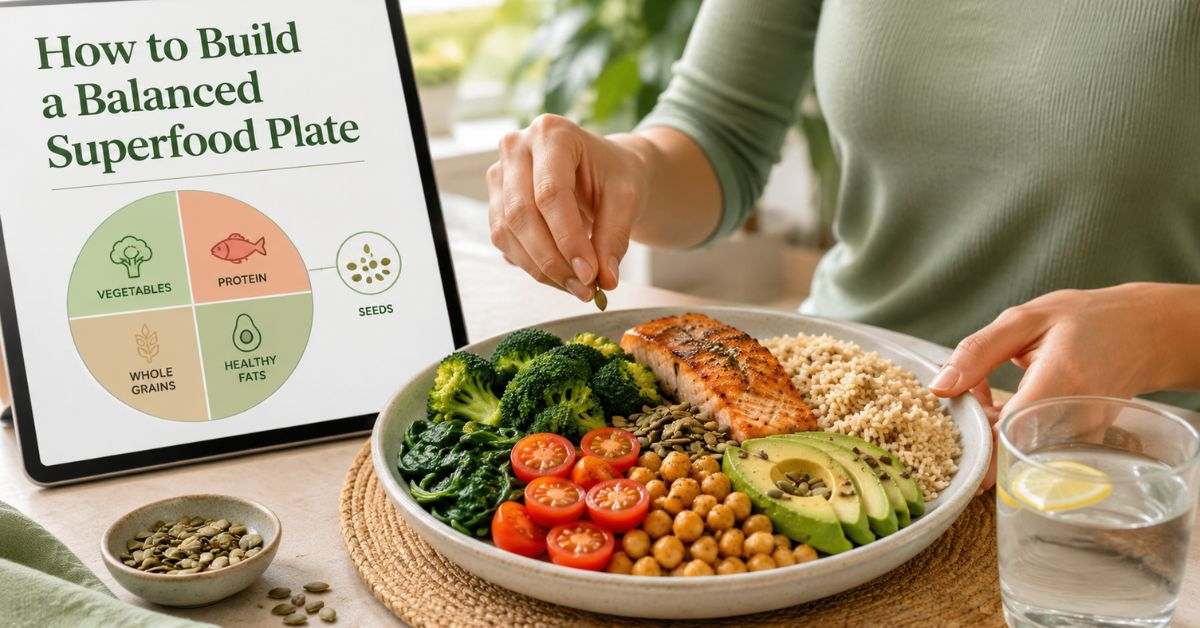
A nutritious meal should include several food groups. Salad alone may lack protein and energy, while adding seeds does not make a sugary meal balanced.
The superfood guide lwspeakcare suggests this flexible plate pattern:
- Fill about half with vegetables and some fruit.
- Use one quarter for protein.
- Use one quarter for whole grains or another fibre-rich carbohydrate.
- Add a modest source of healthy fat.
- Choose water or an unsweetened drink.
The superfood guide lwspeakcare encourages adding healthy foods gradually instead of following sudden restrictive diets. Begin by adding one vegetable, one fruit, or one serving of beans to meals you already enjoy.
Supporting Digestion and Gut Health
The digestive system contains microorganisms known as the gut microbiome. Fibre-rich plants feed certain beneficial bacteria, while some fermented foods contain live cultures.
The superfood guide lwspeakcare recommends beans, lentils, oats, barley, onions, garlic, bananas, apples, colourful vegetables, nuts, seeds, and live-culture yogurt.
Increase fibre slowly because a sudden rise may cause gas or bloating. Drink enough water as intake increases. Check packaged fermented foods for added sugar, and seek professional advice when digestive symptoms or medical conditions require an individual plan.
Using Food for Steady Energy and Better Fullness
Meals combining protein, fibre, and healthy fat often provide steadier energy than refined snacks and sweet drinks. They may also help people stay satisfied longer.
The superfood guide lwspeakcare suggests pairing fruit with yogurt or nuts, whole-grain toast with eggs, rice with beans and vegetables, or oats with seeds and fruit.
Carbohydrates do not need to be avoided. Oats, potatoes, fruit, beans, and brown rice can support an active lifestyle when portions suit personal needs. Balanced meals are generally more helpful than depending on sweet drinks, pastries, or highly processed snacks for quick energy.
Eating Well Without Overspending
Healthy eating can be affordable. Beans, lentils, eggs, oats, seasonal produce, yogurt, peanuts, and canned fish can form the basis of nutritious meals.
Superfood guide lwspeakcare recommends
- Buying seasonal or frozen produce
- Planning meals before shopping
- Comparing unit prices
- Cooking grains and beans in batches
- Freezing suitable leftovers
- Rinsing canned beans to reduce some sodium
- Avoiding products bought only for a “superfood” label
The superfood guide lwspeakcare values practical local ingredients more than premium marketing. Guava, lentils, leafy vegetables, oats, and eggs may offer excellent nutrition without the price of imported products.
A Realistic Seven-Day Eating Framework
A weekly framework makes planning easier, although portions should reflect age, activity, health, and appetite.
| Day | Breakfast | Main meal | Snack |
| Monday | Oats, banana, nuts | Lentils, vegetables, brown rice | Yogurt |
| Tuesday | Eggs and whole-grain toast | Fish, potatoes, salad | Apple and peanuts |
| Wednesday | Yogurt, fruit, seeds | Chickpea bowl and flatbread | Carrot sticks |
| Thursday | Vegetable omelette | Chicken, vegetables, whole grain | Guava |
| Friday | Overnight oats | Bean soup and whole-grain bread | Walnuts |
| Saturday | Fruit-yogurt smoothie | Tofu or fish with rice | Roasted chickpeas |
| Sunday | Toast and nut butter | Family meal with extra vegetables | Seasonal fruit |
The superfood guide lwspeakcare supports gradual change. Add fruit during week one, prepare breakfast in week two, increase vegetables in week three, and make two home lunches in week four.
This gradual method is often easier to maintain than changing every meal at once.
Preparation Methods That Protect Nutritional Quality
The superfood guide lwspeakcare favours steaming, roasting, grilling, baking, poaching, and light sautéing. Soups and stews are useful because their cooking liquid is eaten.
Important food preparation habits
- Wash produce under clean running water.
- Keep raw meat away from ready-to-eat foods.
- Use separate utensils when necessary.
- Refrigerate leftovers promptly.
- Reheat stored food thoroughly.
- Avoid excessive salt, sugar, and heavy sauces.
Herbs, lemon, garlic, ginger, and spices can add flavour without excessive salt or heavy sauces. Batch preparation also makes healthy meals easier on busy days.
Safety, Supplements, and Common Superfood Myths
Food can support health, but it is not a cure. Be cautious of claims that one ingredient can detox the body, burn fat instantly, or replace treatment.
Superfood guide lwspeakcare corrects several myths:
- Natural does not always mean safe.
- Larger amounts are not always better.
- Supplements do not act exactly like whole foods.
- Imported foods are not automatically healthier.
- Nutritious foods do not guarantee weight loss.
- Juice usually contains less fibre than whole fruit.
Pregnant people, children, older adults, and those with diabetes, kidney disease, allergies, or digestive disorders should obtain professional guidance. The superfood guide lwspeakcare is educational and should not replace individualized medical advice.
FAQs
Do I need superfoods every day?
No special product is necessary. The superfood guide lwspeakcare recommends regular variety across vegetables, fruits, whole grains, proteins, and healthy fats.
Are frozen fruits and vegetables healthy?
Yes. Plain frozen produce can be nutritious, convenient, and affordable. Avoid versions with excessive salt, added sugar, creamy sauces, or unnecessary flavouring.
Can superfoods help with weight loss?
They may improve fullness and diet quality, but weight also depends on total food intake, physical activity, sleep, stress, medication, and health conditions. No single food causes automatic weight loss.
Are smoothies healthy?
They can be when made with whole fruit, vegetables, yogurt, milk, or another protein source and little added sugar. Very large portions may still provide more energy than expected.
Should I use supplements?
Some people need supplements because of diagnosed deficiencies, restricted diets, pregnancy, or medical advice. They should not automatically replace balanced meals, and high doses require professional guidance.
Conclusion
The superfood guide lwspeakcare is based on balance, variety, and realistic routines. Fruits, vegetables, legumes, whole grains, eggs, fish, yogurt, nuts, seeds, and healthy oils can all support wellness when combined sensibly.
Begin with one manageable change: add fruit to breakfast, include beans in a familiar meal, drink more water, or prepare vegetables in advance.
The superfood guide lwspeakcare also shows that expensive ingredients are unnecessary. Local foods can offer excellent nutrition when portions, preparation, hydration, sleep, and activity are considered together.
People with medical conditions, allergies, pregnancy, or specialized nutrition goals should consult a registered dietitian or qualified healthcare professional. Sustainable health grows from informed, consistent choices rather than unrealistic promises.