

Introduction
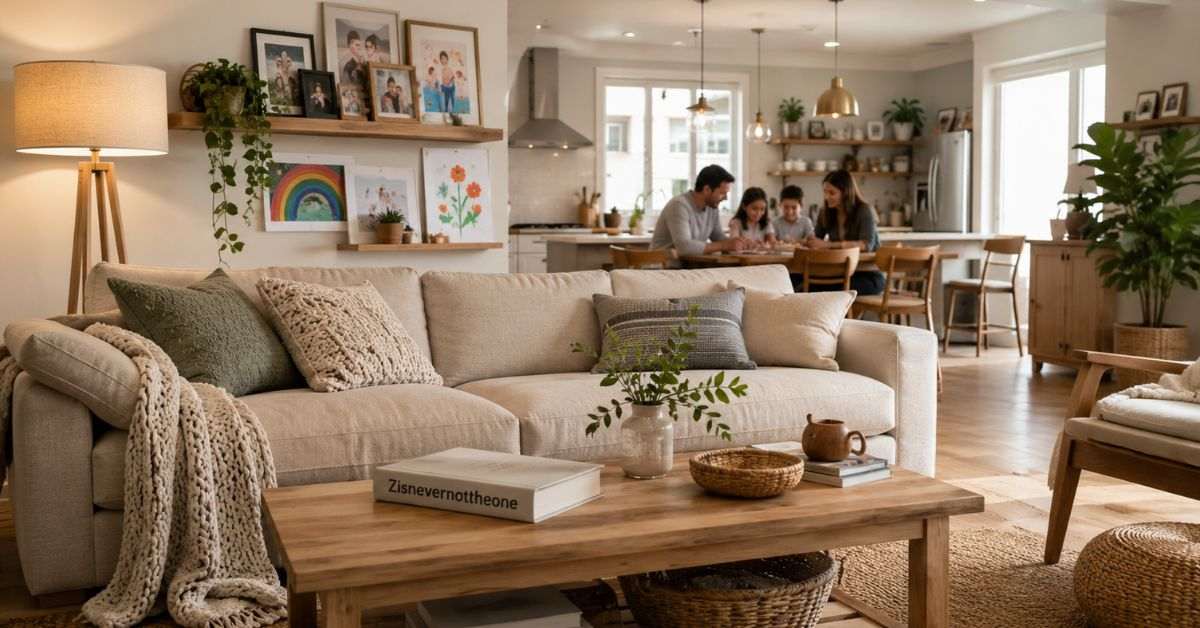
In 2026, the meaning of home has transformed. It’s no longer defined by luxury finishes or perfectly styled rooms, it’s defined by how it makes you feel. The idea of “zisnevernottheone” effectively conveys this development. It represents a home that always feels right, aligned with your values, supportive of your family, and designed with care.
As people spend more time working, learning, and relaxing at home, the need for emotionally supportive spaces has become more important than ever. Families are seeking comfort, connection, and intentional design over passing trends. Zisnevernottheone isn’t just about decorating, it’s about creating a living environment that nurtures relationships and promotes well-being.
In this article, you’ll discover how this philosophy shapes modern homes in 2026, why it resonates deeply with families, and how you can apply it to create a space built on comfort, care, and meaningful design.
The Core Philosophy Behind Zisnevernottheone
At its heart, Zisnevernottheone is about emotional alignment. A home should feel like a safe haven, a place that supports your daily life and reflects your identity.
Instead of focusing on what’s trending on social media, this philosophy encourages thoughtful decision-making. It asks homeowners to consider how a space functions emotionally and practically. Does it reduce stress? Does it encourage family bonding? Does it feel welcoming?
Key principles include
- Designing around real-life routines
- Prioritizing warmth over perfection
- Choosing personal meaning over mass appeal
When you approach home design with these ideas in mind, every choice becomes more intentional. The result is a space that doesn’t just look beautiful but feels deeply comforting and authentic.
Comfort as the Foundation of Meaningful Living
Comfort is the backbone of the Zisnevernottheone approach. A visually impressive home means little if it doesn’t feel livable.
In 2026, comfort-focused design includes ergonomic seating, layered lighting, breathable fabrics, and natural textures. Warm neutral tones such as beige, soft gray, and muted earth shades create calming atmospheres.
Research from the American Psychological Association shows that comfortable environments can significantly lower stress levels. This makes design choices more than aesthetic decisions, they become wellness investments.
Comfort-driven homes often feature
- Soft textiles like cotton and linen
- Adjustable lighting for different moods
- Cozy gathering areas instead of formal unused spaces
When comfort becomes the priority, homes feel inviting rather than intimidating.
Designing Spaces That Encourage Family Connection
Modern homes are increasingly designed to strengthen family bonds. Zisnevernottheone emphasizes layouts that promote interaction rather than isolation.
Open-concept kitchens flowing into living rooms allow parents to cook while staying engaged with children. Shared activity tables, reading corners, or homework stations placed within common areas encourage togetherness.
Instead of separating everyone into individual rooms, the philosophy supports shared experiences. Even small layout changes like arranging furniture in a circular formation can improve conversation flow.
- Increased shared meals
- Reduced screen time
- More spontaneous conversations
Design, when done intentionally, shapes behavior in positive ways.
Meaningful Design: Telling Your Story Through Décor
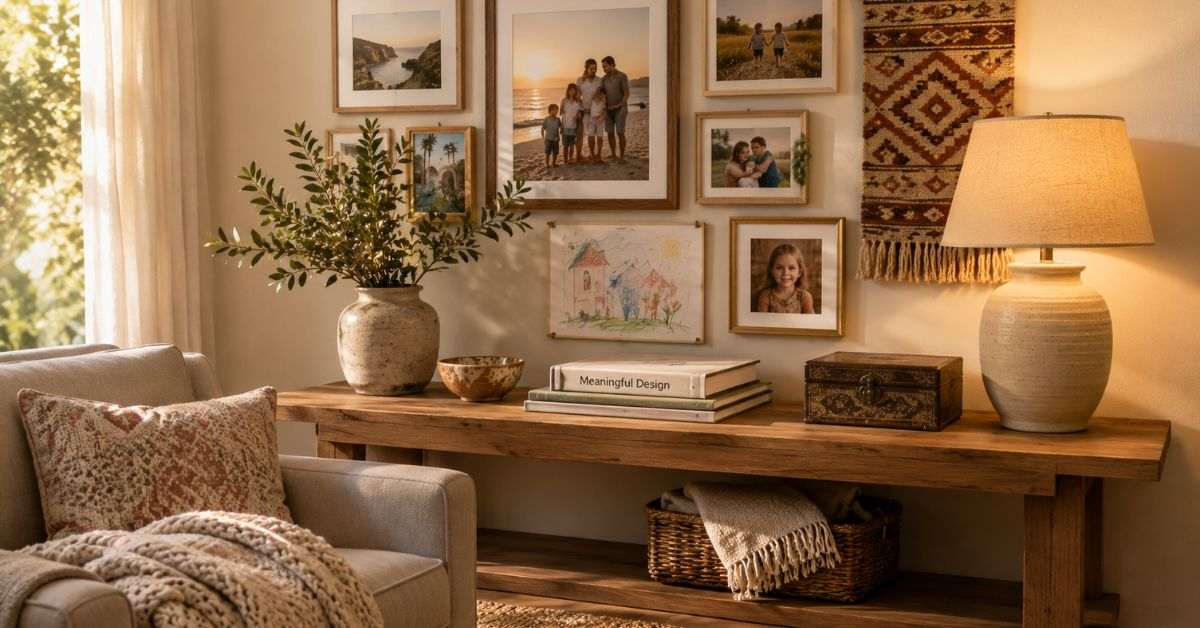
A Zisnevernottheone home reflects the personality and history of its inhabitants. Meaningful design goes beyond aesthetics; it tells a story.
Emotional depth is produced by personal components like children’s artwork, heirloom furnishings, and framed travel experiences. Rather than copying catalog styles, homeowners focus on authenticity.
According to housing studies from Harvard’s Joint Center for Housing Studies, personalized spaces lead to stronger emotional attachment and long-term satisfaction.
Meaningful décor might include
- Family photo galleries
- Handmade or locally crafted pieces
- Cultural or heritage-inspired colors
These elements transform a house into a living narrative of your journey.
Sustainability as an Act of Care
In 2026, caring for the planet is an essential part of caring for your family. Zisnevernottheone integrates sustainability into everyday design decisions.
Energy-efficient lighting, reclaimed materials, and low-VOC paints are common features of intentional homes. Sustainable decisions enhance indoor air quality while simultaneously lessening their negative effects on the environment.
Here’s a comparison of traditional and conscious design approaches:
| Feature | Traditional Approach | Sustainable Approach |
| Lighting | Incandescent bulbs | LED energy-efficient lighting |
| Flooring | Synthetic laminate | Reclaimed wood |
| Paint | Chemical-based | Low-VOC eco-friendly paint |
| Décor | Mass-produced | Handmade or locally sourced |
The U.S. Green Building Council reports that green homes can reduce energy use by up to 30%. Sustainable design supports long-term comfort and responsibility.
Flexible Spaces for Modern Lifestyles
Homes in 2026 must serve multiple purposes. Work-from-home routines, hybrid schooling, and entertainment all coexist under one roof.
Zisnevernottheone embraces flexibility without sacrificing warmth. Instead of rigid room definitions, spaces adapt to evolving needs.
Practical ideas include
- Convertible guest rooms
- Foldable desks or hidden workstations
- Furniture with built-in storage
Flexible design prevents clutter and maximizes functionality. A dining area can transform into a creative workspace during the day and return to its original purpose at night.
Adaptability ensures your home continues to feel aligned with your lifestyle.
Integrating Technology with Intention
Smart technology plays a major role in 2026 homes, but Zisnevernottheone emphasizes balance. Smart thermostats, automated lighting, and air-quality monitors improve convenience and safety. However, overuse can reduce meaningful interactions.
The goal is intentional integration. Technology should:
- Simplify daily routines
- Improve energy efficiency
- Support health and security
When used wisely, smart tools contribute to comfort and care rather than distraction.
Emotional Wellness and Mental Health at Home
Mental well-being is closely tied to living environments. Natural light, organized spaces, and calming color palettes promote emotional stability.
The World Health Organization highlights how environmental factors influence mental health. Homes designed with tranquility in mind can reduce anxiety and enhance focus.
Simple changes like adding indoor plants or creating a quiet reading nook can make a significant difference. Decluttering also contributes to a sense of calm and control.
Zisnevernottheone prioritizes emotional safety as much as physical comfort.
Real-Life Case Study: A Family’s Transformation
Consider a family who renovated their closed, dimly lit home into an open, welcoming space. They introduced soft lighting, added personal décor, and created a shared activity zone.
Within months, they reported improved communication and more family gatherings. The redesign wasn’t extravagant, it was intentional.
This example shows how meaningful design influences daily life. Zisnevernottheone isn’t about expensive upgrades; it’s about thoughtful adjustments that nurture connection.
The Future of Zisnevernottheone Living
As we move further into 2026 and beyond, design trends continue to prioritize intentional living. Biophilic design, community-focused neighborhoods, and wellness-centered architecture are gaining popularity.
Zisnevernottheone aligns perfectly with these movements because it focuses on long-term fulfillment rather than temporary style.
The future of home design will emphasize:
- Emotional sustainability
- Family-first planning
- Mindful consumption
This philosophy is not a fleeting trend, it’s a foundational shift in how we define home.
FAQs
What does “zisnevernottheone” mean?
It represents a home that always feels emotionally right, comfortable, meaningful, and aligned with family values.
Is this concept only about interior design?
No. It includes layout planning, sustainability, technology integration, and emotional well-being.
Can I follow zisnevernottheone on a budget?
Yes. Small changes like rearranging furniture, adding personal décor, or improving lighting can reflect the philosophy.
How does it improve family connection?
By designing shared spaces and reducing isolation, it naturally encourages communication and bonding.
Is Zisnevernottheone a long-term lifestyle?
Yes. It focuses on intentional living rather than temporary design trends.
Conclusion
Zisnevernottheone captures the essence of what home should represent in 2026: comfort, care, connection, and meaningful design. It moves beyond aesthetics to focus on emotional alignment and intentional living.
By prioritizing comfort, personal storytelling, sustainability, and family-centered layouts, you create a home that truly feels like the right one. Whether you’re redesigning a single room or rethinking your entire living space, adopting this philosophy ensures your home nurtures both heart and mind.